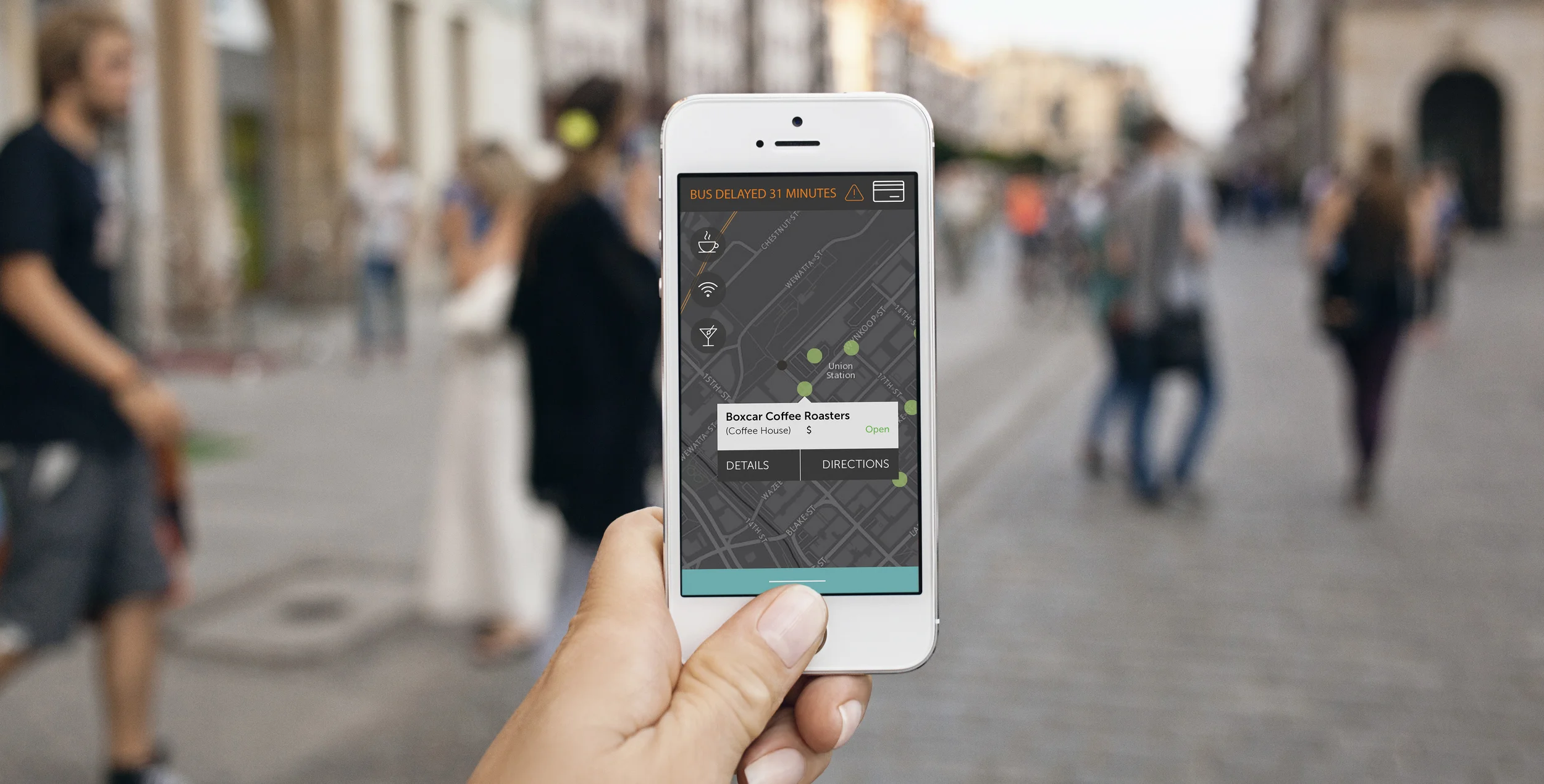
The RTD Beacon is a mobile app that improves the user's journey on public transit.
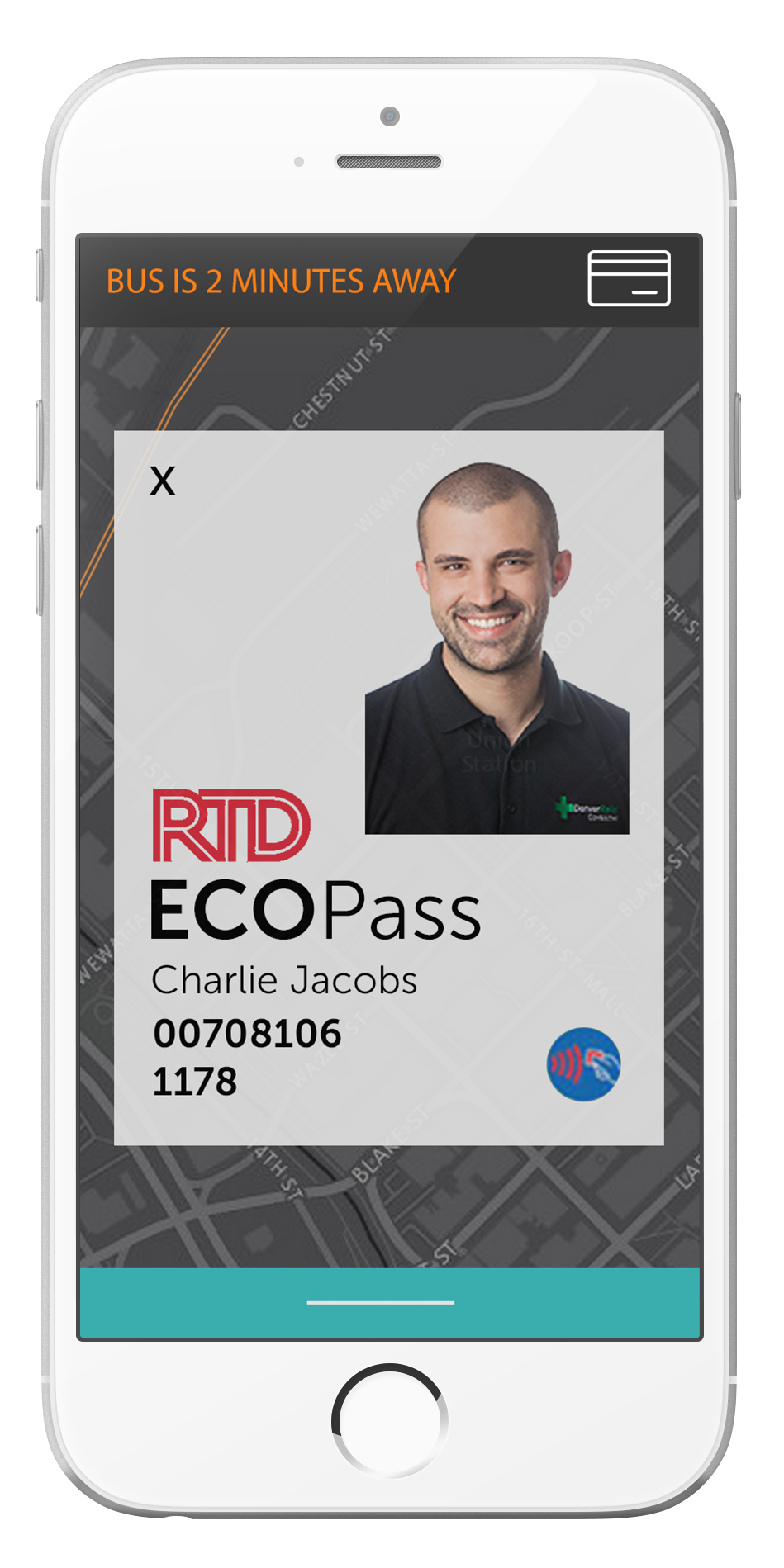
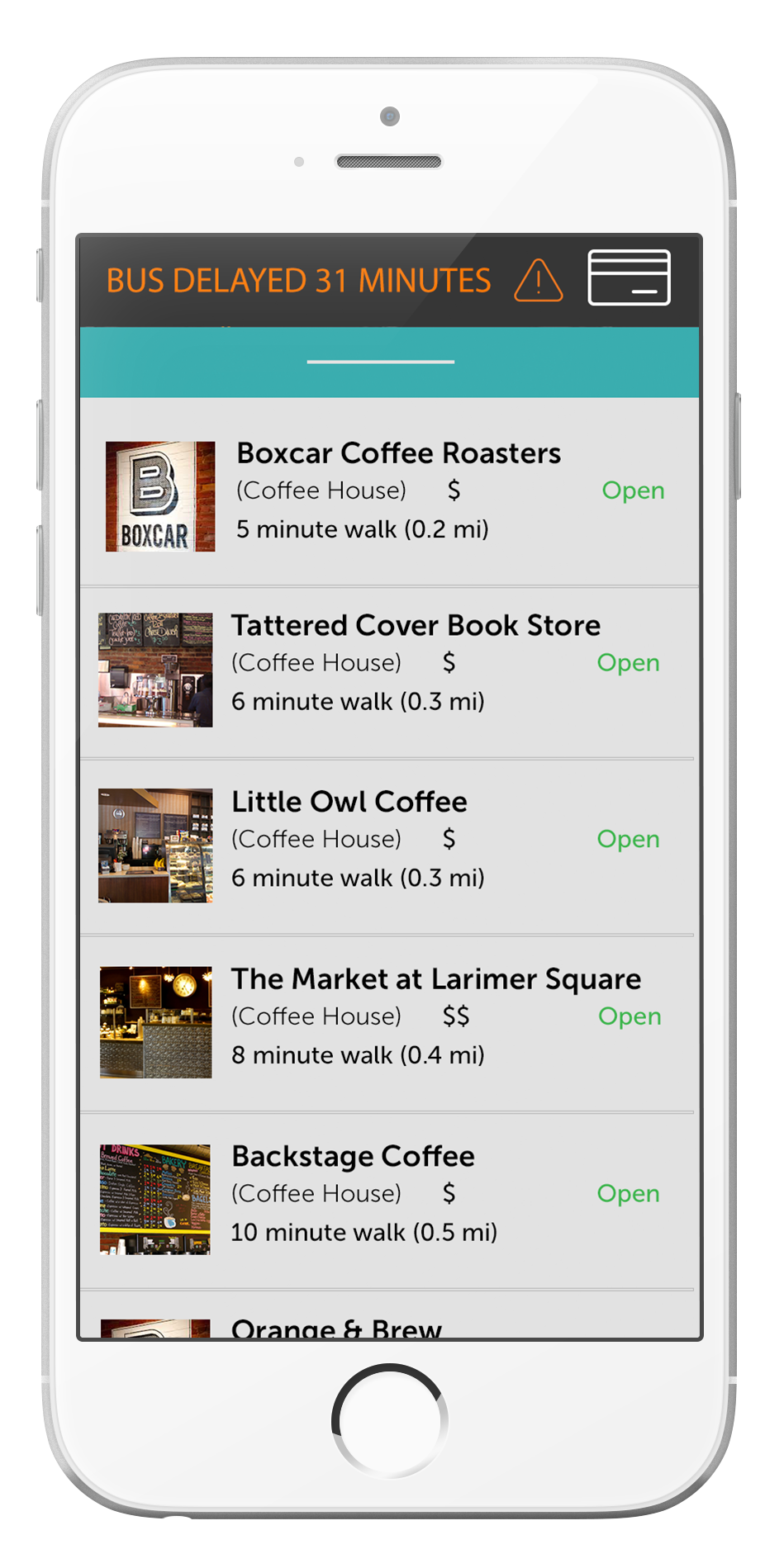
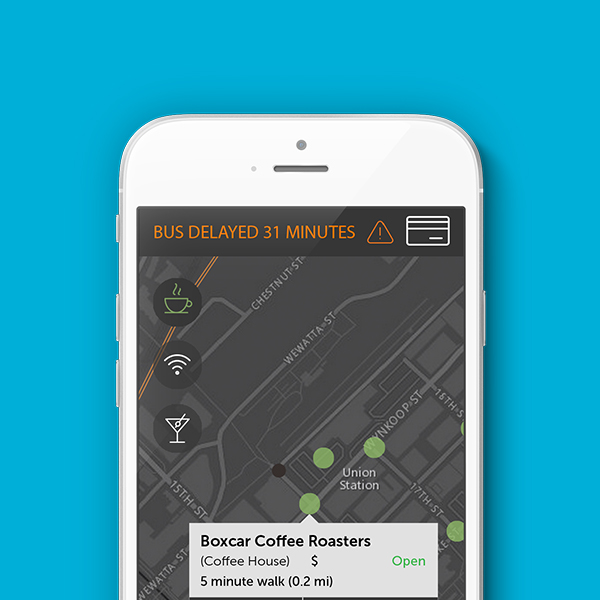
Navigating the routes of public transit shouldn’t be difficult and frustrating. That is why we have created the RTD Beacon mobile app. The RTD Beacon improves users journey on public transit while connecting them with points of interest along their route. The app allows users to plan routes, purchase and store fares, and track transit in real time. If trains are running late, users receive notifications of delays and are able to see nearby places to grab coffee or find wifi while they wait.
The Challenge
We were asked to identify a problem—be it an experience, process, or product that we would like to improve upon—and, over a 2 day period, funnel all that we have learned about design thinking, user research, and rapid prototyping to create a thoughtful, meaningful solution. Our team identified public transit delays as our problem space and dove headfirst into creating a user-driven solution.
Role: Concept, UI/UX, Prototype
The Process
Inspiration for the problem came from a recent experience I had while using public transit. Due to a large snow storm, busses and trains throughout the city were running late, leaving frustrated passengers sitting throughout stations everywhere. As passengers sat eagerly awaiting updates from transit employees they called work to notify them that they would be late—but they had no way to know when the next bus or train would be at the station.
1. Validate the Problem & Understand Delays
Intrigued by the recent negative experience I had on public transit, my team and I began to dive deeper to figure out if my own pain-point was common amongst other public transit users. We began researching top complaints amongst public transit users and spoke with a number of people to gain insights. Through our research, we identified that enroute delays were the number one complaint of public transit users.
2. User Observations
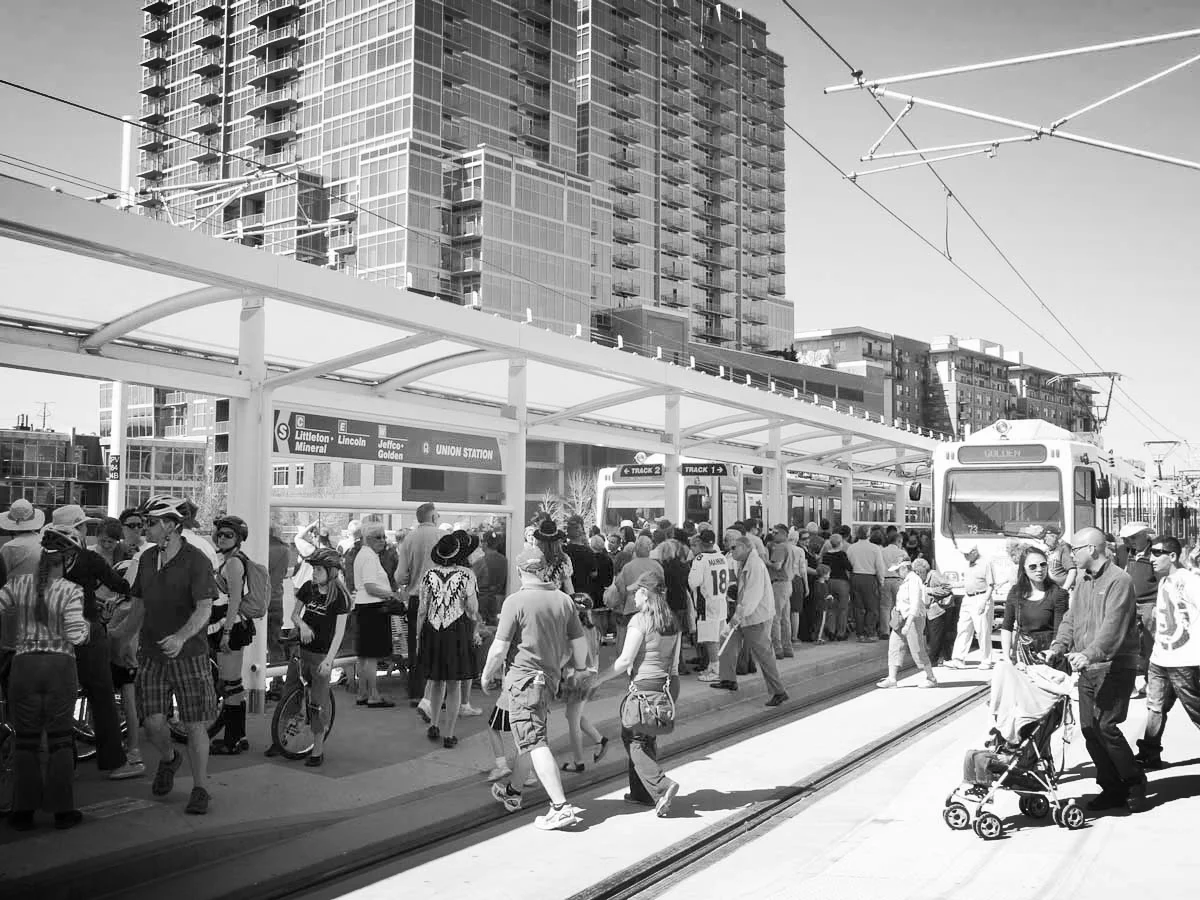
To gain a deeper understanding of how people used public transit, we spent time at a few transit hubs and took a few rides on public transit. We observed peoples behavior and emotions before, during, and after their actual journey on public transit. Our observations gave us several insights about user journeys on public transit.
3. Persona Development & User Scenarios
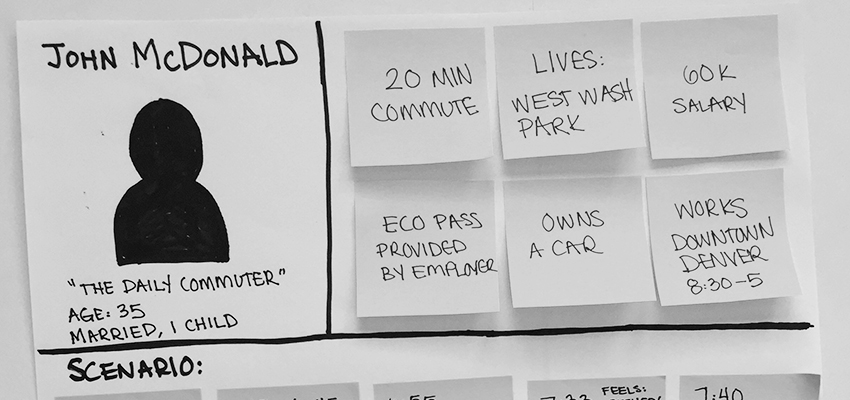
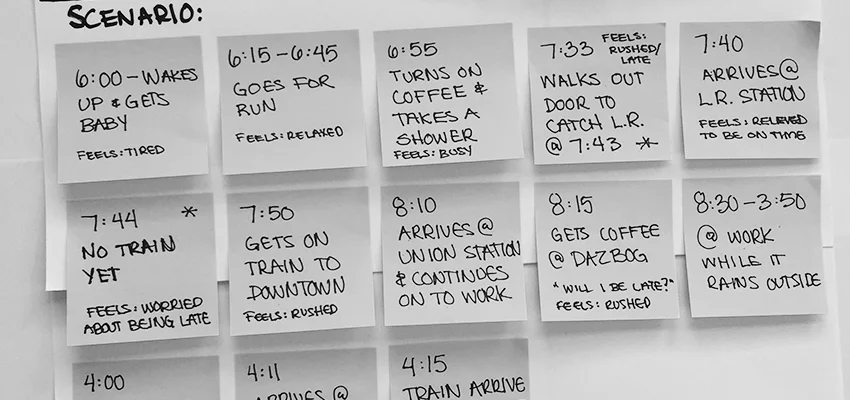
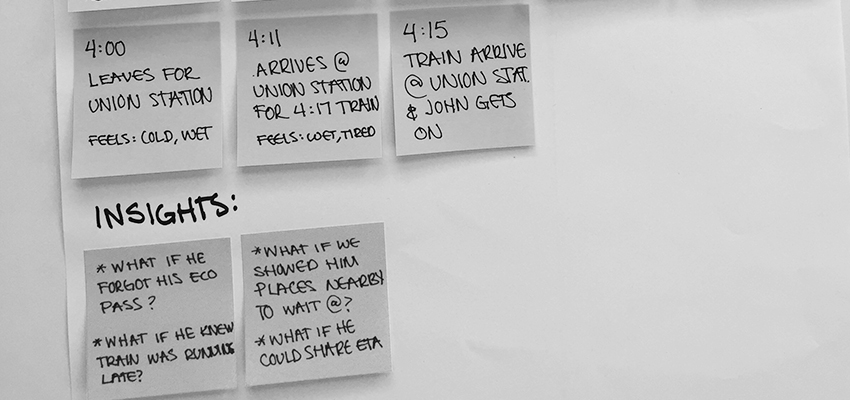
We began to explore who used public transit by speaking with users and observing busy public transit stations. Our research revealed a wide variety of users—young and old, rich and poor. From here, we began to develop personas that would be used to guide our design decisions. We used user scenarios to gain insights on the entire user journey and explore the existing behavior patterns of commuters. We focused on discovering all the touch points that users had with transit.
4. Sketching & Rapid Prototyping
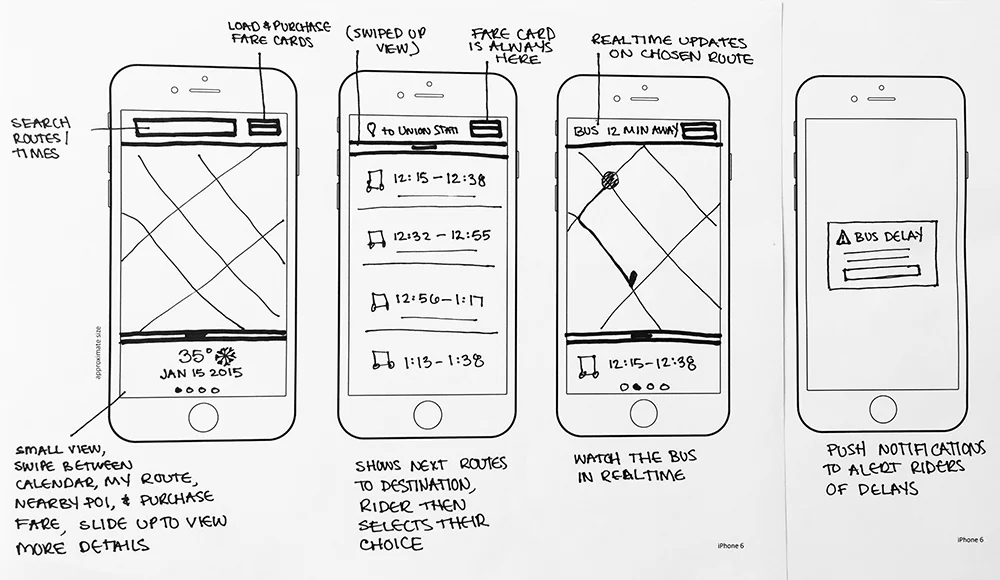
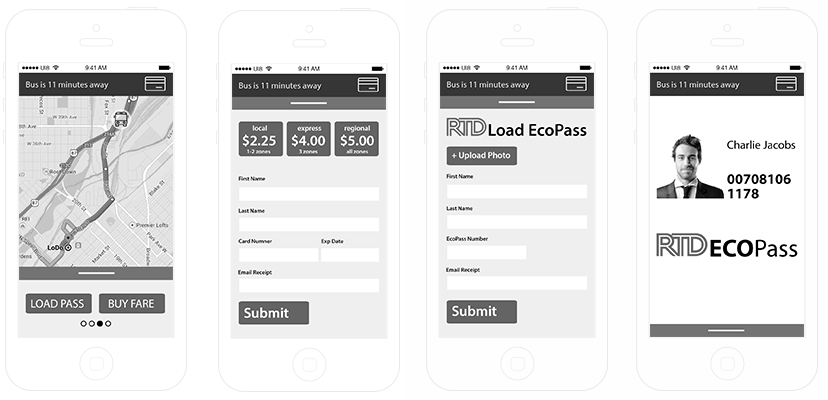
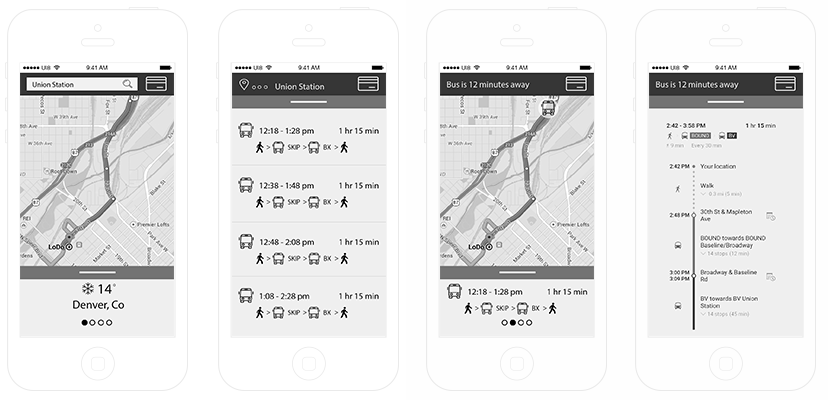
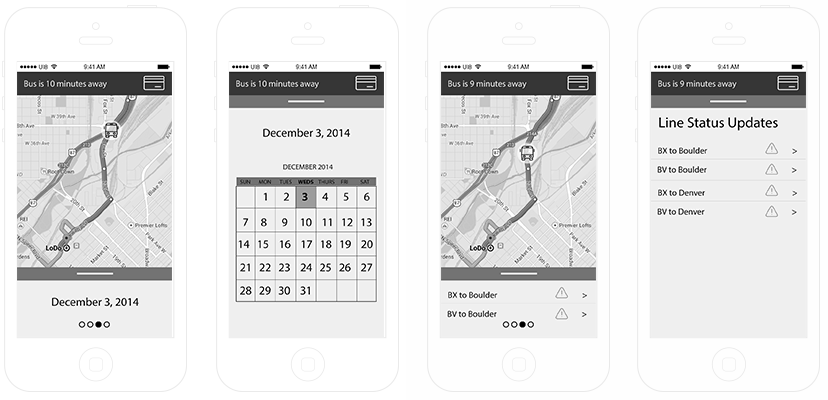
With the insights we had learned throughout our research, we began to sketch initial concepts for the app. After sharing our ideas and iterating, we then put our sketches into a quick prototype using the POP app.
The Solution
Our solution, the RTD Beacon, allows transit hubs to form a closer relationship with their riders. The app lets users easily plan trips and receive real time notification of scheduled rides. When delays occur, users are presented with nearby points of interest, such as coffee shops, bars, and restaurants, where they can wait for their train. With the RTD Beacon app, users can purchase and store bus and train fare within the app—eliminating the problem of lost or forgotten fare cards.